Ship crews ration food in Iran blockade: seafarers / Photo: © AFP

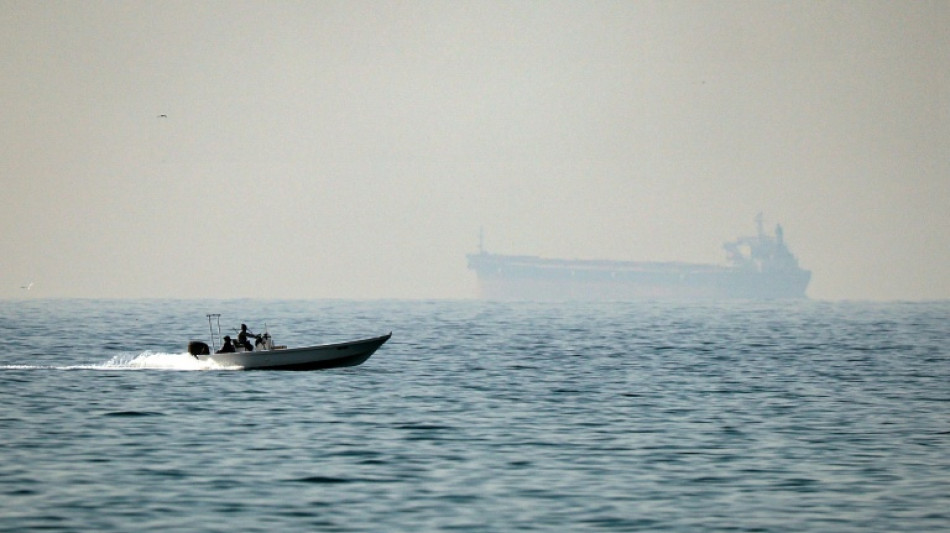
Seafarers stuck in the Gulf say they are rationing food and water and anxiously hoping supplies will get through Iran's blockade in the war that has stranded them for three weeks.
"We don't have enough water on board right now. We got food a few days back," said one Indian seaman stuck in a small refuelling boat off Iraq, within sight of the Iranian shore.
"Till yesterday we had proper drinking water and fresh water for baths and stuff. But now since drinking water is over, we have contacted the owner for the drinking water and I hope they get it by today or tomorrow," he added.
"Till then, we are boiling the water for drinking," said the young sailor, who asked to be identified only by his last name, Pereira.
- Food rationing -
One ship's captain said his vessel was stuck at anchor off Qatar near the major Ras Laffan liquefied natural gas plant, which was hit by an Iranian attack on Thursday.
"If the port shuts down completely, then there is no possibility of getting the crew out. So that's one worry," said the captain, who asked not to be named so his vessel could not be identified.
"Another worry is also about the food supplies, the water supplies and everything else that needs to be supplied to the crew."
He spoke to AFP while on shore in rotation as another master commanded his vessel -- but he was in regular contact with the crew.
He said 25 crew members had left the ship, leaving 95 on board.
"That would require a provision top-up every 10-15 days," he said.
"Last week, we managed to load up with provisions and water, but will it be possible in one week from now?"
He said the team was reducing shifts and meals in case supplies get cut off.
"We are starting with food and water rationing on board, just so we can stretch out the number of days we go with available resources in case food, water and fuel are unavailable."
- Evacuation route urged -
Jacqueline Smith, Marine Coordinator at the International Transport Workers' Federation, said numerous seafarers had been raising the alarm over supplies in recent days.
"We have been receiving text messages from seafarers saying we're running low on provisions, we're running low on fuel, we're running low on water, we're running low on food," she told AFP.
"This wasn't the case in the beginning, and that is going to just be increasing if there's no end in sight to the conflict."
She said the ITF called on countries where the ships are flagged, such as Panama and Liberia, to issue guidance to shipowners and seafarers to organise their repatriation.
"I hope ... that governments will start coordinating their approach to it when it comes to the welfare of the seafarers," she said.
"Employers did say that they have not had any issues ordering provisions, so the seafarers that have contacted us must be on vessels with unserious employers."
The UN's maritime body (IMO) called on Thursday for the creation of a safe shipping "corridor" in the Gulf to evacuate stranded vessels and seafarers.
- 'Panic' at attacks -
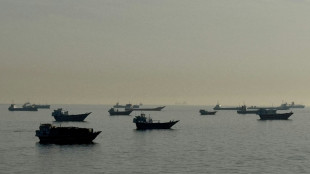
Around 20,000 seafarers remained stranded on some 3,200 vessels west of the Strait of Hormuz, according to the IMO.
It says at least eight seafarers or dock workers have died in incidents in the region since the conflict began on February 28.
"Since the attacks started, there's a lot of panic. And even our families have been panicking," said Pereira.
Five of his eight fellow crew members were Iraqis who departed for home, leaving him and the other sailors on board.
He entered Iraqi waters in November on a vessel refuelling oil tankers -- his first trip as a seafarer.
He has been trying to get evacuated by Indian diplomats "since the war started" on February 28.
"We just want to leave and go home. I won't be coming to sea again after what I've seen now. This first trip has been really horrible."
F.al-Muharraqi--BT