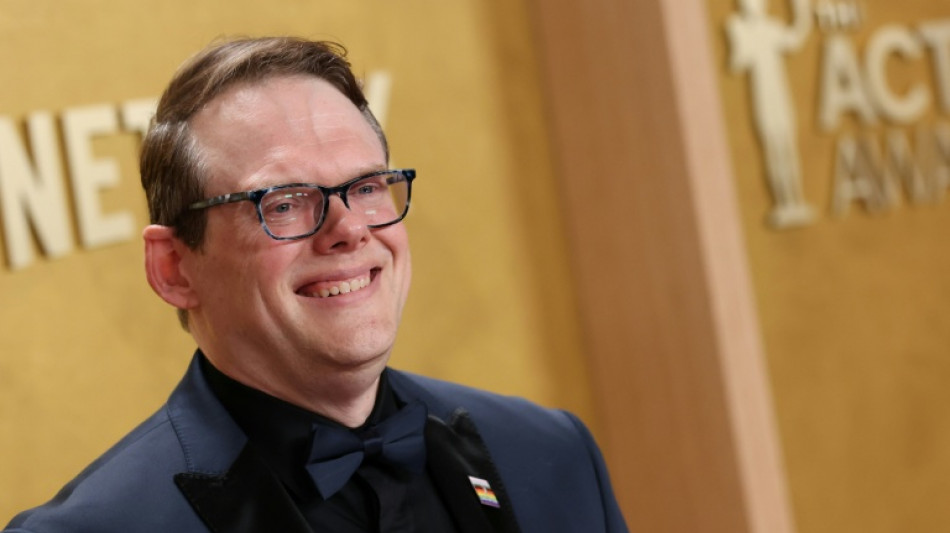
Hollywood studios and actors' union find common ground on AI / Photo: © AFP
As Hollywood's performers cast their ballots to approve the latest negotiated contract, union leaders say they have made some progress in conversations with studio bosses since the massive strike in 2023, especially when it comes to concerns about artificial intelligence.
SAG-AFTRA chief negotiator Duncan Crabtree-Ireland attributed the mostly drama-free agreements in this round of negotiations to a new mindset, "because the studios and streamers came to the table with a different perspective."
With 160,000 members working in film, television and video games, SAG-AFTRA is the largest and most influential union of its kind globally.
Members of the actors' union are voting on a newly negotiated agreement that was approved by the national board earlier this month, ahead of the current contract's expiration at the end of June.
"The tone of the negotiation was much more collaborative and a lot more creativity was brought by both sides, so I really believe that the 2023 strikes -- while they were very difficult for all of us -- did help effectuate a reset in the relationship between the studios and the unions in general," Crabtree-Ireland told AFP.
Approval would mean avoiding a repeat of disastrous 2023 strikes that shuttered productions, costing studios billions of dollars, while actors stood their ground against AI and other issues.
- AI's evolutions -
The strike by the Screen Actors Guild-American Federation of Television and Radio Artists (SAG-AFTRA) lasted 118 days, with star-studded picket lines outside major studios in Los Angeles and New York, marking the longest such revolt in Hollywood history.
AI technology was a sticking point for many, and that tension persists, Crabtree-Ireland said.
"They do feel more secure than they did in 2023 but there's still a very, very strong concern about AI -- and especially because the generative AI tools have advanced so much in the last three years," he said.
The latest agreement does not close the door on AI, but it does introduce new protections.
Under the new contract, digital replicas -- which use AI or any technology to replicate an actual living or deceased performer -- must "have informed consent and fair compensation," Crabtree-Ireland said.
The contract allows for limited use of synthetics, under "unusual circumstances," when a generative AI system can be used to create a character who is not based on any actual person in the world.
"There's now process in place which would require the companies to come to the union if they want to use a synthetic in a project, they have to demonstrate to us that this synthetic brings a significant additional value to the production," Crabtree-Ireland said.
"While this doesn't rise quite to the level of a complete prohibition, it's a very strong disincentive."
Voting on the latest contract closes June 4.
G.al-Maskati--BT