Airlines gather in Rio to chart course as horizon darkens / Photo: © AFP

Airline executives descend on Rio this weekend to weigh the prospects for an industry grappling with geopolitical turbulence, soaring fuel costs and travellers wary of chasing sky-high ticket prices.
The annual gathering of the International Air Transport Association (IATA) brings together 370 airlines representing 85 percent of global passenger traffic, just as the Mideast war is roiling the industry.
Carriers were largely enjoying clear skies before the US and Israeli strikes on Iran in February, which resulted in a blockade of Gulf oil shipments that saw jet fuel prices nearly double.
According to the IATA, average prices now stand at around $142 a barrel, forcing carriers to make hard choices on ticket prices, the number of flights per destination -- and their future development plans.
"Airfares are inevitably rising as the price of oil increases, but airlines are having to balance their increased costs against demand," said John Grant of the consulting firm OAG Aviation.
In April, passenger demand fell 3.4 percent from a year earlier, the IATA said, the first decline since the end of the Covid pandemic.
"Forward schedule data is showing a reduced offering in the coming months, indicating that airlines are balancing high fuel costs and weaker demand," IATA director general Willie Walsh said in a statement.
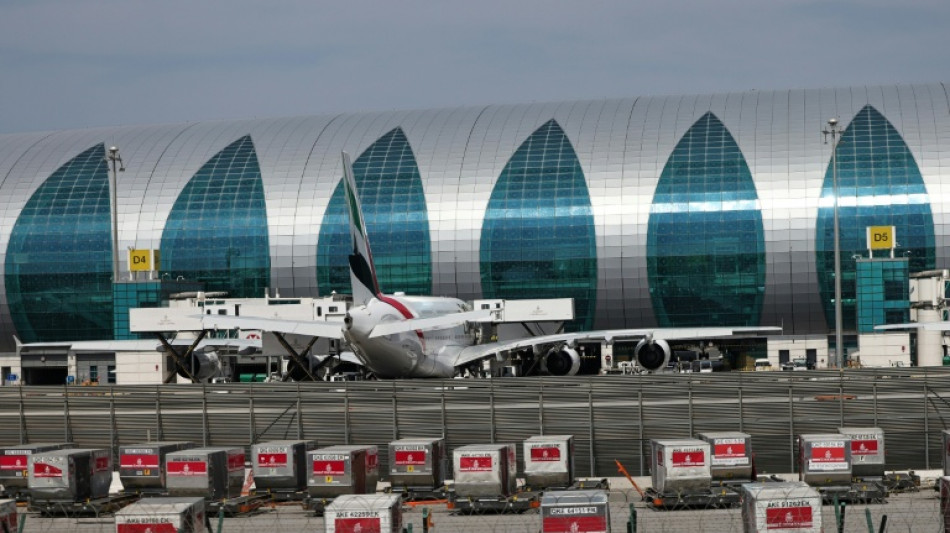
Mideast airlines in particular have slashed flights as Gulf airports were shut during the latest Mideast conflict, exposing the risk of a "hub" strategy that relies on streams of passengers to and from the Americas, Europe and Asia.
- Hard choices -
Walsh said in late April that demand for summer travel had held up well despite the fare increases, but airlines are nervously eyeing the prospects for oil prices as the Mideast war drags on.
Warnings about jet fuel shortages have also raised alarms, as carriers might have to cancel flights or drop less profitable routes if costs rise further.
Higher ticket prices and fuel surcharges are also prompting many travellers to change holiday plans for the peak summer season in the northern hemisphere, often choosing to save money by staying closer to home.
"The slowdown is no longer isolated to a specific region, and is now visible in other regions such as Western Europe," said analysts at the consulting group Cirium.
But Walsh has sought to allay concerns, saying that airlines could withstand the fuel price shock.
"In 2011, 2012, 2013, the jet fuel prices were over $130 a barrel, and the industry was profitable," he told a press conference in Singapore in April.
Airlines also realise that keeping fares high for too long will discourage many people from flying, and some have even unveiled special offers since the Mideast war erupted.
No-frills carrier Ryanair, which is not an IATA member, announced a series of sales this spring, while Air France-KLM wooed clients by offering for the first time no-charge ticket changes for flights out of France or the Netherlands.
But not every airline can keep fares in check by absorbing the higher fuel costs.
"Midsize carriers with limited cash reserves are the most exposed I think," said Grant. "And that doesn't matter if you are a legacy or low-cost airline."
V.al-Omran--BT