Pentagon chief refuses to rule out 'boots on ground' in Iran / Photo: © AFP

The US defense secretary on Monday declined to rule out putting troops on the ground in Iran and indicated the war launched over the weekend could go on for as long as six weeks.
US forces began carrying out sweeping strikes on Iran Saturday in concert with military action by Israel, and have struck hundreds of targets across the country since then, including the Islamic republic's missiles, navy and command-and-control sites.
When asked if the United States already had boots on the ground, Pentagon chief Pete Hegseth told a news conference: "No, but we're not going to go into the exercise of what we will or will not do."
"We'll go as far as we need to go," he said.
"I think it's one of those fallacies for a long time that this department or presidents or others should tell the American people and our enemies by the way, 'Here's exactly what we'll do, here's exactly how long we'll go,'" he said.
As for how long the war will last, Hegseth said: "Four weeks, two weeks, six weeks, it could move up. It could move back."
He sought to differentiate the Iran operation from past long-running US wars in Iraq and Afghanistan, saying the war is not an effort to build democracy in Iran.
"No stupid rules of engagement, no nation building quagmire, no democracy-building exercise. No politically correct wars. We fight to win and we don't waste time or lives," the Pentagon chief said.
"This is not Iraq. This is not endless," Hegseth said. "Our generation knows better and so does this president. He called the last 20 years of nation building wars 'dumb' and he's right."
"With every passing day, our capabilities get stronger and Iran's get weaker. We set the terms of this war from start to finish. Our ambitions are not utopian, they are realistic scoped to our interests and the defense of our people and our allies," he added.
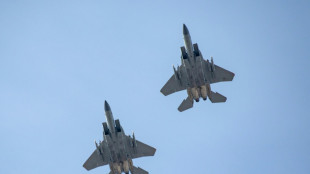
General Dan Caine, the top US military officer, spoke alongside Hegseth, saying that air superiority had been achieved over Iran.
Strikes by American forces "resulted in the establishment of local air superiority. This air superiority will not only enhance the protection of our forces, but also allow them to continue the work over Iran," Caine said.
C.al-Farsi--BT