'Enemy at home': Iranian authorities tighten grip as war rages / Photo: © AFP
War has emptied the usually traffic-jammed streets of Iran's capital, but Islamic republic authorities have filled them with checkpoints and security forces as they tighten their grip on the population.
After the United States and Israel launched a war against Iran on Saturday, killing its supreme leader and urging Iranians to "take over" their government, celebrations at Ayatollah Ali Khamenei's death were quickly stifled.
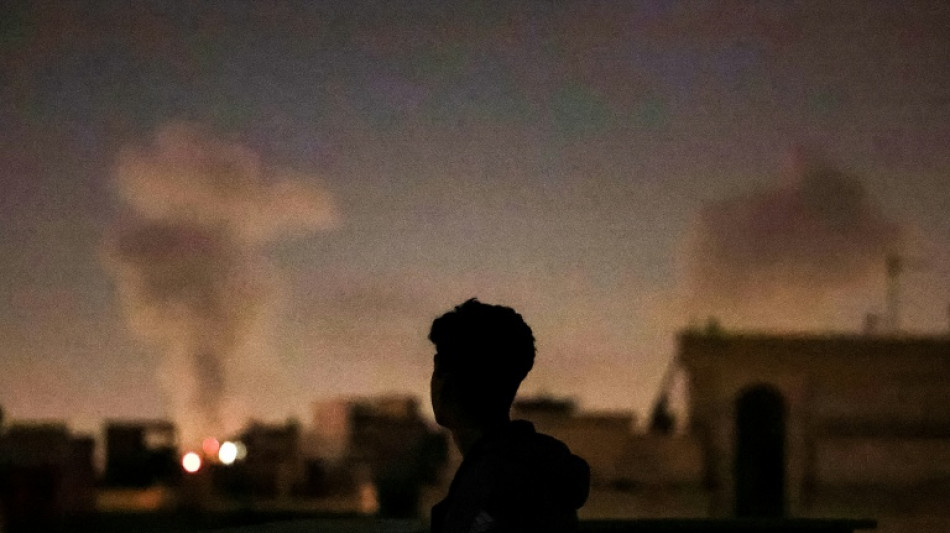
Iranians have since found themselves caught between the bombs and their government as authorities deploy heavy security and cut off the population from the outside world with an internet blackout.
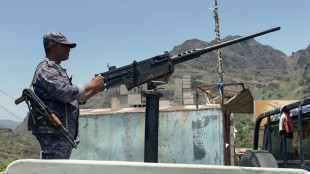
The powerful Islamic Revolutionary Guard Corps (IRGC) "has closed almost every main street with armed personnel and heavy machine guns to frighten people", a 30-year-old Tehran resident told AFP from Paris.
"The people are the real enemy in their eyes, not the Americans. Their extremists say first you have to deal with the enemy at home."
The public show of force appears intended to avoid any repeat of anti-government demonstrations that peaked in January and saw the streets stained with the blood of protesters who had chanted "death to Khamenei" in their thousands.
The nationwide protests were met with a fierce crackdown that left more than 7,000 people dead, according to the US-based group Human Rights Activists News Agency (HRANA), which notes the actual toll is likely much higher. More than 50,000 have been arrested, it says.
- 'Fear and intimidation' -
Tehran residents told AFP many of the security forces were from the Basij -- a volunteer militia under the IRGC tasked with maintaining public order.
They have set up checkpoints along with Guards and police to search vehicles and people in the streets.
"There are no traffic jams but the ones that the IRGC has created with their temporary inspection stations in every corner," the 30-year-old said.
Since Khamenei's death, plainclothes security forces are "in the streets in spades" and "they are all armed, so we can't protest for now", said Tehran resident Amir, who gave only his first name for security reasons.
"They have taken over the places that belonged to the people," the 40-year-old said.
An engineer living in Tehran said security forces "roam the streets on their own, creating fear and intimidation, checking people's phones, going through them, and harassing people".
The tensions are even felt on the island of Kish in the Gulf, where "people hardly dare to go out anymore" except to buy food, a resident said, with a "military-style control" in place from 6:00 pm.
Iranian authorities have a formidable internal security apparatus, numbering an estimated "850,000 agents of repression", Pierre Razoux, director of studies at the Mediterranean Foundation for Strategic Studies, told French lawmakers on Wednesday.
The 600,000-strong Basij "alone outnumber the regular army and the Revolutionary Guards combined", he said.
Rights groups have warned repression could mount in the war, undermining the chances of a popular uprising that US President Donald Trump and Israeli Prime Minister Benjamin Netanyahu have encouraged.
"The main existential threat to the Islamic republic is not airstrikes... it's Iranian people who came on the streets," Mahmood Amiry-Moghaddam, director of the Iran Human Rights NGO told AFP.
"The Islamic Republic's aim number one is to protect itself. So there is a threat that we might face new massacres, mass arrests, mass executions," he said.
- 'When we are free' -
The authorities shut down the internet as soon as the war began and have been warning those who succeed in connecting using VPNs that their lines will be blocked and they could face charges.
A warning from the intelligence ministry on Thursday said anyone taking photos at "sensitive locations" could be working as foreign agents and urged citizens to report on each other, according to state television.
Iranians inside the country have expressed fear of giving their names to the media or having messages from journalists on their phones -- both a link to the outside world and a potential source of incrimination.
A resident of Shiraz city said celebrations that packed the streets after Khamenei's death were shut down by government forces, only for people to gather the next night in a government-sanctioned rally.
State television has been flooded with footage of such demonstrations, where crowds wave Iranian flags and mourn Khamenei.
Some Tehran residents still shout protest slogans from their windows at night, one woman said, as others hold out hope they'll soon take to the streets again.
"We are staying at home and hoping we stay alive so we can do a proper dance when we are free," said 39-year-old Elnaz.
S.al-Majed--BT