Japan Proposes Revoking Visas for Foreigners Concealing Medical Treatment Intent

Japan’s health ministry has proposed a new measure to revoke the resident status of foreign nationals who enter the country on long-term visas while concealing their true purpose of seeking expensive medical treatment covered by public health insurance. The proposal aims to prevent misuse of the National Health Insurance system by individuals who would otherwise be required to pay full costs under specific medical stay visas.
The Japanese health ministry has proposed revoking the resident status of foreign nationals who enter Japan under long-term visas while concealing their true purpose of seeking expensive medical treatment covered by public health insurance. The measure targets individuals who utilize statuses such as "student" to enroll in the National Health Insurance system, thereby accessing costly procedures at subsidized rates, rather than entering under specific medical visas that require full payment.
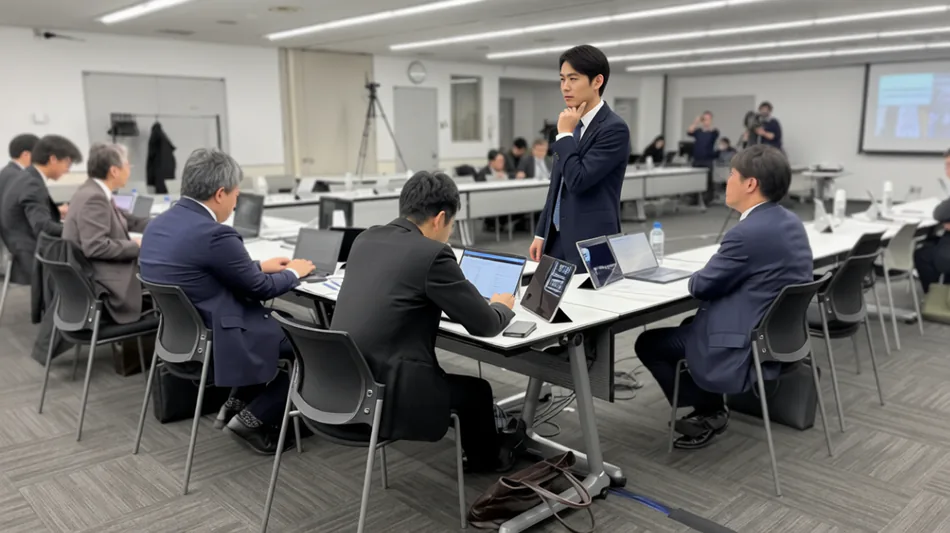
The proposal was presented on November 26 at a meeting of a subcommittee of the Social Security Council, an advisory body to the health ministry. The council discussed mechanisms to prevent foreign nationals from using the National Health Insurance under false pretenses, addressing concerns that some individuals exploit loopholes in visa regulations to access subsidized care.
Under Japan’s current immigration and healthcare framework, foreigners who enter the country specifically for medical treatment must apply for either a "medical stay" or "temporary visitor" status. These visas require applicants to pay their medical bills in full, as they are not eligible for public insurance coverage. In contrast, foreign nationals who enter under other statuses, such as students, and remain in Japan for more than three months are generally required to enroll in the National Health Insurance or another public health insurance program. This enrollment covers a significant portion of their medical costs.
The health ministry’s proposal requires applicants for these longer-term visas to confirm beforehand that they are not seeking entry for high-cost medical treatment. While receiving expensive medical treatment is not inherently grounds for visa revocation, falsely stating the purpose of entry would be. The ministry clarified that it has not identified specific cases of such fraudulent behavior but was tasked with considering measures to address the potential concern.
If implemented, the plan would require medical institutions to report foreign nationals who seek specified high-cost treatment through National Health Insurance within a certain period after their entry to Japan. These reports would be sent to regional immigration authorities through local governments. Immigration authorities would then investigate whether the individual entered under a residence status that did not reflect their actual purpose of stay. If the original application is found to be false, the person’s residence status could be revoked.
The proposal aligns with a package of measures on policies concerning foreign nationals compiled by the government in January. One concern highlighted in that package was the possibility of foreigners entering Japan under false pretenses to conceal their desire for insurance-covered medical treatment. After paying insurance premiums, these individuals would pay only a portion of the cost of treatment and could qualify for the high-cost medical expense benefit, which caps monthly out-of-pocket expenses based on income and other factors.
The health ministry has yet to determine what types of procedures would qualify as "certain high-cost medical treatment." Details will be considered following discussions with experts and medical professionals. No starting date for the measure has been set.
Data from the health ministry indicates that foreign nationals made up 4.7 percent of National Health Insurance members in fiscal 2024. They accounted for 1.46 percent of total National Health Insurance medical expenses for treatment provided from March 2024 through February 2025, and 1.26 percent of payments under the high-cost medical expense benefit system.
The proposal comes amid broader discussions on immigration and healthcare policy in Japan. Recent developments include measures to punish longer-term foreign residents in arrears, reforms to medical fee caps to stop foreign misuse, and new language barriers for foreigners facing soaring demand for the Japanese-Language Proficiency Test (JLPT). The government has also moved to double the required period in the country for citizenship applications.
While the health ministry has not confirmed specific instances of fraud, the proposal reflects a growing scrutiny of how foreign residents interact with Japan’s public healthcare system. The distinction between those seeking legitimate long-term residence and those using visas as a means to access subsidized medical care remains a key focus of the ongoing debate.
R.al-Mulla--BT